
Midlife Weight Gain After 40: Why What Worked Before Isn’t Working Now A Physician’s Guide to Medical Weight Loss for Women Over 40
, by Kamyar Farhangfar, 3 min reading time
, by Kamyar Farhangfar, 3 min reading time
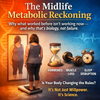
The Midlife Metabolic Reckoning Sandra was fifty-one when she sat down across from me and said something I have heard hundreds of times in slightly different words: “I’m doing everything right, and nothing is happening.” She wasn’t angry. She wasn’t dramatic. She was tired. She described her routine carefully. Eggs or oatmeal in the morning. Salad with protein for lunch. A normal dinner. Walking four days a week. Wine only on weekends now. No crash diets. No late-night binges. She was, by any reasonable standard, trying. And yet over two years she had gained eleven pounds. If you are a woman over forty, you may recognize this moment. Before we talked about hormones or metabolism, I asked her something else. “Walk me through yesterday. Hour by hour.” Because before we blame biology, we audit reality. Most midlife weight gain is not mysterious. It is incremental. A few hundred fewer steps per day.An extra glass of wine here and there.Slightly larger portions.Shorter sleep.More stress. Energy balance still governs fat gain. That has not changed. But what has changed is the terrain.
Sandra was fifty-one when she sat down across from me and said something I’ve heard hundreds of times in slightly different forms:
“I’m doing everything right, and nothing is happening.”
She wasn’t frantic. She was exhausted.
She was eating carefully. Walking four days a week. Limiting alcohol. Trying to be reasonable, not extreme. And yet over two years, she had gained eleven pounds.
If you are a woman over 40 struggling with weight gain, this story may feel familiar.
Before we talked about hormones or menopause, I asked her something else:
“Walk me through yesterday. Hour by hour.”
Because before we blame hormones, we audit reality.
Why Women Gain Weight After 40 (It’s Not Just Hormones)
Most midlife weight gain is not sudden. It’s incremental.
Portions drift slightly upward.
Daily steps quietly decline.
Work becomes more sedentary.
Sleep shortens.
Stress increases.
Alcohol intake creeps up.
A small chronic energy surplus—even 150–200 calories per day—can lead to 10–15 pounds over a few years.
Energy balance still matters. Fat gain happens when intake exceeds expenditure.
But after 40, the terrain changes.
The Midlife Metabolic Shift: What’s Actually Happening
If what worked at 35 isn’t working at 50, here’s why.
1. Menopause and Estrogen Changes
During perimenopause and menopause, estrogen fluctuates and gradually declines.
Research published in the Journal of Clinical Endocrinology & Metabolism shows that postmenopausal women accumulate more visceral fat—the metabolically active fat stored around internal organs—even when total weight gain is modest.
Visceral fat increases:
Insulin resistance
Inflammation
Cardiovascular risk
This isn’t cosmetic. It’s metabolic.
But menopause does not override thermodynamics.
It changes fat distribution and metabolic sensitivity—not the laws of energy balance.
2. Muscle Loss After 40 (The Silent Metabolism Killer)
After midlife, skeletal muscle declines unless actively trained—approximately 3–8% per decade in sedentary adults.
Muscle is metabolically active tissue. It burns calories even at rest.
If you are not strength training:
Resting metabolic rate declines
Insulin sensitivity worsens
Fat loss becomes harder
Fat regain becomes easier
For many women over 40, muscle loss—not just calorie intake—is the missing variable.
3. Sleep Disruption and Weight Gain
Perimenopause often brings:
Night sweats
Anxiety
Fragmented sleep
Studies show that sleep deprivation increases ghrelin (hunger hormone) and decreases leptin (satiety hormone).
Poor sleep increases appetite and reduces impulse control.
It becomes biologically harder to maintain a calorie deficit.
The Real Problem With “Eat Less, Move More”
The advice isn’t wrong.
It’s incomplete.
When women in their forties and fifties aggressively cut calories without preserving muscle:
They lose fat and muscle
Resting metabolism drops
Hunger increases
Weight regain favors fat over lean tissue
Over time, body composition worsens.
Medical weight loss for women over 40 must prioritize:
Muscle preservation
Hormonal context
Sleep optimization
Sustainable calorie control
Not crash dieting.
There Is No Single Cause of Midlife Weight Gain
In clinical practice, I see four common patterns:
Environmental drift (less movement, more intake)
Muscle loss dominant
Stress/reward-driven eating
Hormonal transition dominant
Most women are a blend.
The key is proper diagnosis—not generic dieting advice.
What Actually Works for Sustainable Weight Loss After 40
If you’re a woman over 40 struggling with weight gain, the solution is not more restriction.
It’s better sequencing:
Rebuild or preserve lean muscle mass
Improve sleep quality
Reduce ultra-processed food exposure
Quantify movement
Then implement a moderate, medically supervised calorie deficit
This is how we approach medical weight loss at our clinic.
Ready for a Smarter Approach to Weight Loss After 40?
If you’re tired of trying harder and getting nowhere, you don’t need more willpower.
You need a better strategy.
At Destiny Health Clinic, we specialize in:
✔ Medically supervised weight loss for women over 40
✔ Hormone-aware fat loss strategies
✔ Muscle-first metabolic rebuilding
✔ GLP-1 weight loss options (when appropriate)
✔ Personalized nutrition plans
✔ Sustainable maintenance protocols
Every program begins with a full metabolic evaluation and a personalized roadmap—not a generic diet.
If you’re ready to understand why your body changed and what to do about it, schedule a consultation today.
👉 Book Your Medical Weight Loss Consultation Here
Or call our office at (916) 458-5435.
You deserve a plan designed for the body you have now—not the one you had at 30.